After more than 35 years of teaching scuba and nearly 50 years of diving, I’ve found that buoyancy control is the skill new divers struggle with most.
It’s also the skill that separates a new diver from an experienced one.
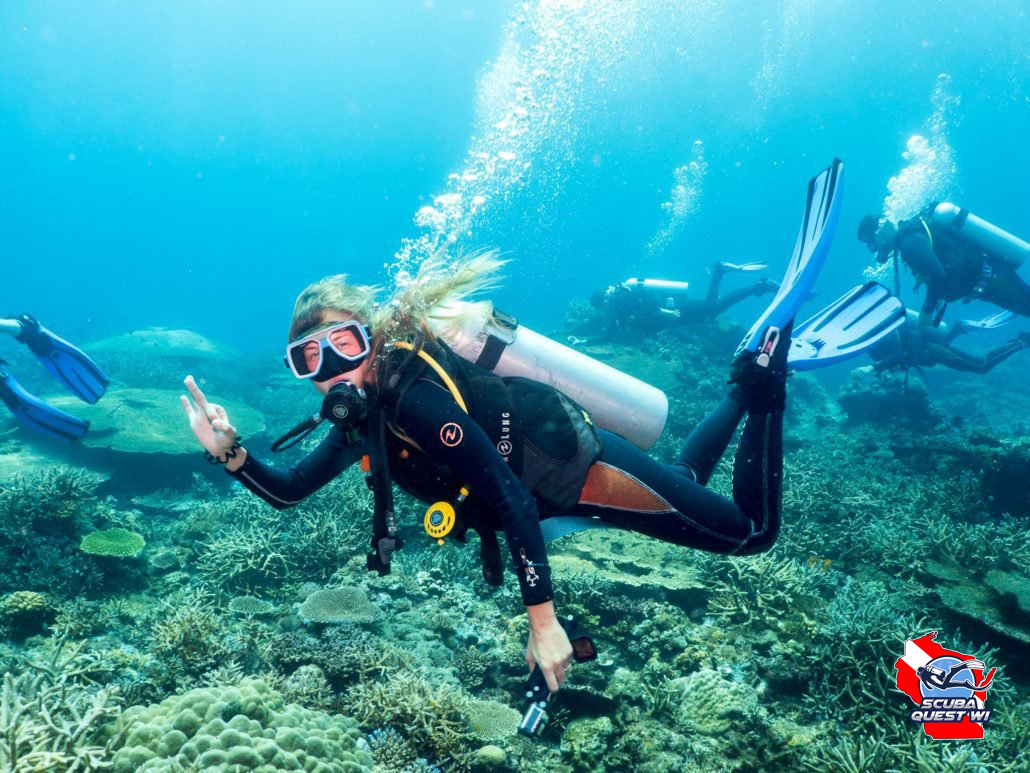
When you watch a skilled diver underwater, they seem to hover effortlessly in the water column. They move with small fin kicks, maintain excellent trim, conserve air, and avoid disturbing the bottom. It looks easy, but buoyancy is one of the most challenging skills for a new diver to master.
The good news is that struggling with buoyancy is completely normal.
Why Buoyancy Is So Challenging
Unlike activities on land, changes underwater don’t happen instantly. When a diver adds a small amount of air to their BCD or changes their breathing pattern, there is often a delay before the effect becomes noticeable.
Many new divers begin sinking, add air to their BCD, don’t feel an immediate response, and add even more. A few seconds later the buoyancy change catches up and they start rising too quickly. They then dump air, descend again, and the cycle repeats.
Learning to make small adjustments and giving those adjustments time to work is one of the keys to developing good buoyancy control.
Breathing Plays a Bigger Role Than Most Divers Realize
Your lungs are one of the most effective buoyancy control tools you have.
When divers become anxious or task loaded, their breathing often becomes rapid and shallow. This affects buoyancy and can make depth control much more difficult.
One of the first things I teach students is to slow down, relax, and focus on steady breathing. A calm diver
almost always develops better buoyancy control than a tense diver.
Proper Weighting Matters
Another common challenge is incorrect weighting.
Too much weight forces a diver to carry excessive air in the BCD to maintain neutral buoyancy. This often creates instability and makes depth control more difficult.
At SCUBA QUEST WI, we spend time helping students determine proper weighting and equipment configuration rather than relying on a one size fits all approach. Every diver is different, and proper weighting is one of the foundations of safe, comfortable diving.
Trim and Equipment Configuration
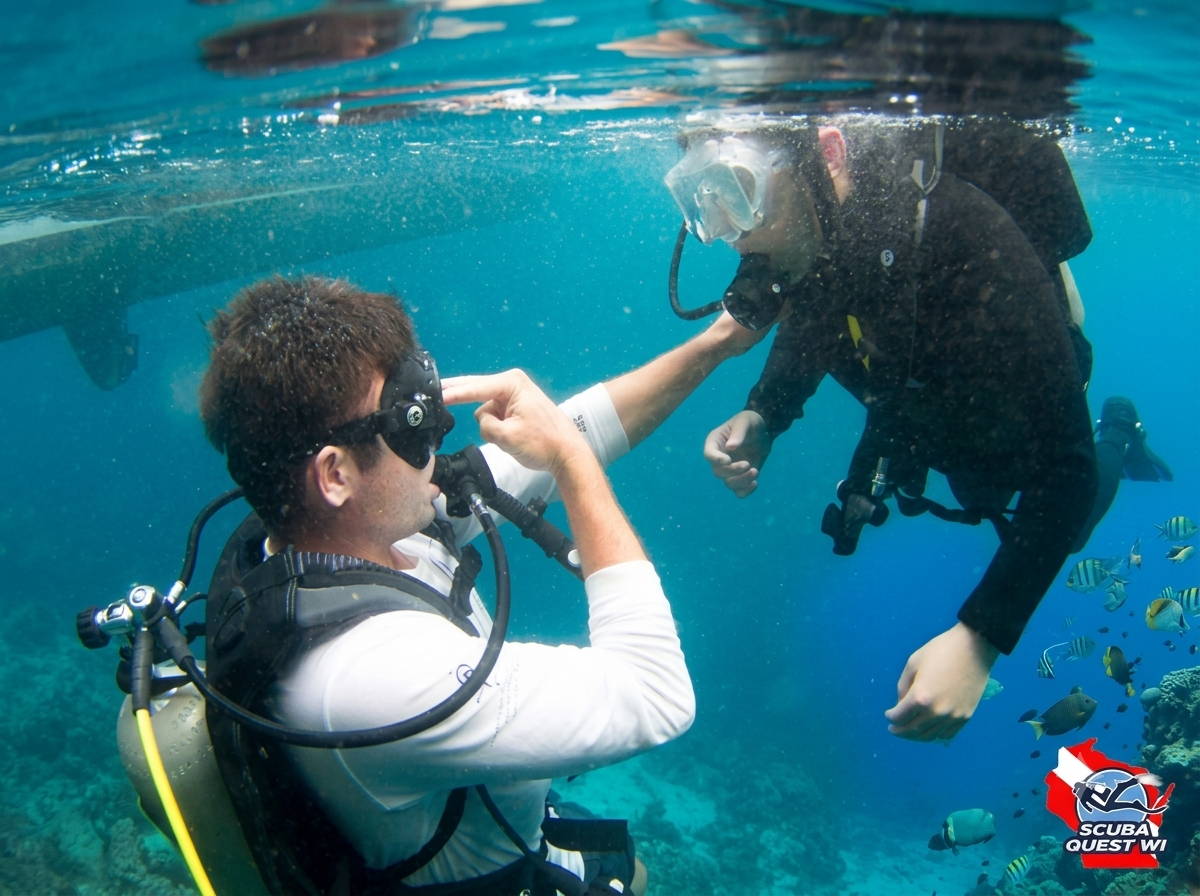
Many buoyancy problems are actually trim problems.
A diver who is properly balanced in the water will find buoyancy much easier to control than someone whose feet constantly drop or whose equipment is poorly configured.
Good trim allows your body to remain horizontal in the water, reduces effort, improves air consumption, and helps you move efficiently through the water column.
Midwest Divers Learn Valuable Skills

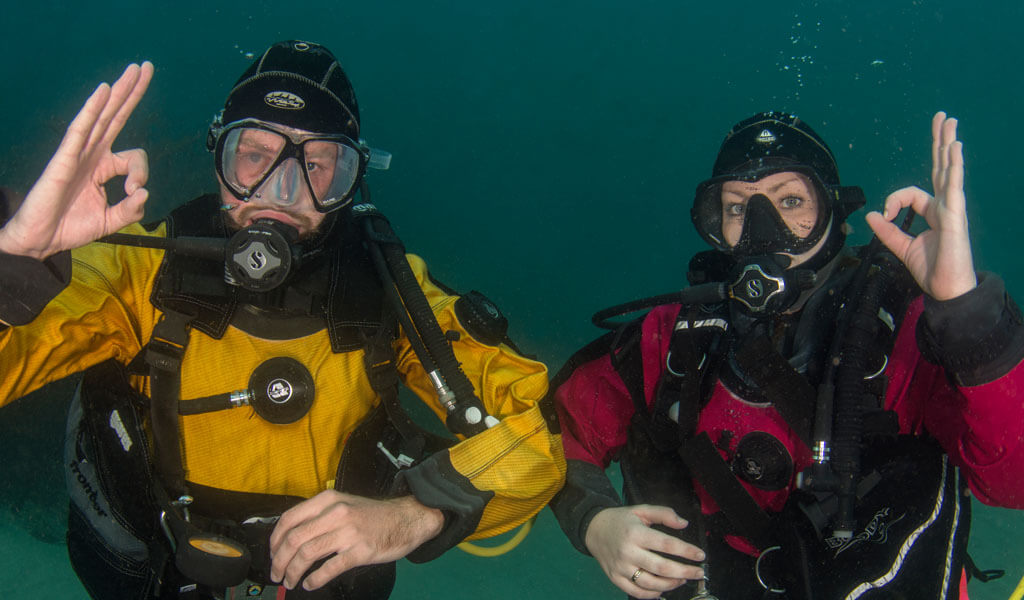
These conditions can make buoyancy management more challenging at first, but they also help divers develop strong buoyancy skills early in their training. Divers who learn good buoyancy control in Midwest conditions are often very comfortable when they later travel to warmer water destinations.
How to Improve Your Buoyancy
If you’re currently working on your buoyancy skills, focus on these basics:
• Breathe slowly and consistently.
• Make small BCD adjustments.
• Give buoyancy changes time to work.
• Practice maintaining a horizontal body position.
• Avoid unnecessary hand movements.
• Spend time hovering and refining your control.
Most importantly, be patient with yourself. Buoyancy is a learned skill that improves through practice and
repetition.
The SCUBA QUEST WI Difference
At SCUBA QUEST WI, our goal is not simply to issue certification cards. Our goal is to help divers become confident, competent, and comfortable underwater.
Because we use a personalized, mentorship based approach, students receive the time, coaching, and attention needed to develop real diving skills rather than simply completing minimum course requirements.
Every experienced diver started exactly where you are now.
With practice, patience, and proper instruction, buoyancy eventually becomes second nature and that’s when diving becomes truly enjoyable.
If you’re interested in learning to dive or improving your diving skills, I’d be happy to help you take the next step.
Larry Wheeler
Owner Instructor Course Director Instructor Evaluator
SCUBA QUEST WI LLC